Why Do People Use Smartwatches?
Smartwatches are used for convenience, connectivity, and personal tracking. Instead of constantly checking a phone, users can access key information directly from their wrist. Notifications, messages, calls, and reminders are all available at a glance, making everyday interactions quicker and less disruptive. This level of accessibility is especially useful in situations where using a phone may be impractical, such as during meetings, workouts, or commuting.
Another major reason people use smartwatches is personal data tracking. These devices provide insights into daily habits, including steps taken, calories burned, and sleep patterns. Over time, this data helps users better understand their routines and make informed decisions. For many, the appeal lies in having a single device that combines communication, timekeeping, and self-monitoring in a compact format.
How Can A Smartwatch Improve Your Daily Productivity?
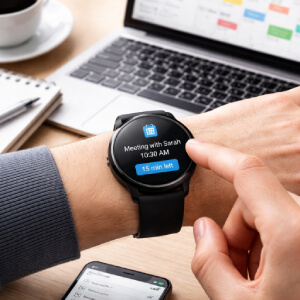
Smartwatches can support productivity by reducing distractions and streamlining tasks. By delivering only essential notifications, they allow users to stay informed without the need to constantly unlock their phones. This helps maintain focus during work or study sessions while still ensuring that important updates are not missed. Features like calendar alerts, timers, and task reminders further support structured daily planning.
Voice assistants and quick-reply functions also contribute to efficiency. Users can respond to messages, set reminders, or check schedules with minimal effort. This is particularly helpful when multitasking or when immediate responses are needed. Over time, these small time-saving actions can add up, helping users manage their day more effectively and with less friction.
Health Benefits Of Using A Smartwatch
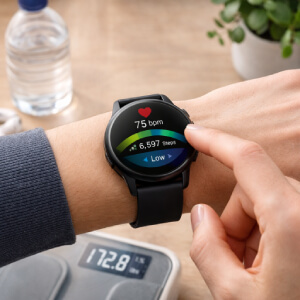
One of the most significant advantages of smartwatches is their role in health monitoring. Many models include heart rate tracking, step counting, and activity recognition, encouraging users to stay active throughout the day. Some devices also provide alerts for prolonged inactivity, prompting users to move regularly, which can support overall physical wellbeing.
In addition to activity tracking, smartwatches often include sleep monitoring and stress tracking features. By analysing sleep duration and quality, users can gain insights into their rest patterns and make adjustments where needed. Some devices also offer guided breathing exercises or stress indicators based on physiological data. While these features are not a substitute for medical advice, they can support awareness and promote healthier daily habits.
Are Smartwatches Worth The Investment Compared To Regular Watches?
Wearables might appeal to people who find them aesthetically pleasing, but for all others, traditional watches exhibit more value. Conciseness, toughness, and timeless design are parts of tradition; they can be worn and consumed luxuriously, unleashed in silvery expanse and onto the wristwire. Sporting such watches remain effortless for the wearer; it tells one and all the time of the day without interruptions. These features break up any other feature for the wearers if they themselves attach such ideas to their watches.
On the other hand, smartwatches are designed to allow wearers to carry minute productivity tools that enhance various lives real-time. Which is why some users would be willing to expand their watch budget beyond the meager numbers awarded an extra logo for a complete package of functions. It contrasts; choices avoid situations of encroaching exposure whereby a probable list of factors will guide one against a list of factors far apart from any benefits. This might include the time that batteries can sustain after a charge, whether devices work on other equipment, or if the device is built with long-term functionalities in mind. In the end, the deciding factor will be the degree of alignment with the user's daily habits and lifestyle the extra features.
Quick Links
Researchers Achieve 8cm GPS Accuracy on Smartwatches Through New Algorithm https://t.co/kXIJW5w6tR pic.twitter.com/XKNLPVhuE7
— Nextrift (@nextrift) October 21, 2025
Garmin plans to build its first production base in Southeast Asia with a factory in Thailand that will manufacture smartwatches and GPS navigational devices https://t.co/L9WzyqSbSQ
— Bloomberg (@business) October 30, 2025